


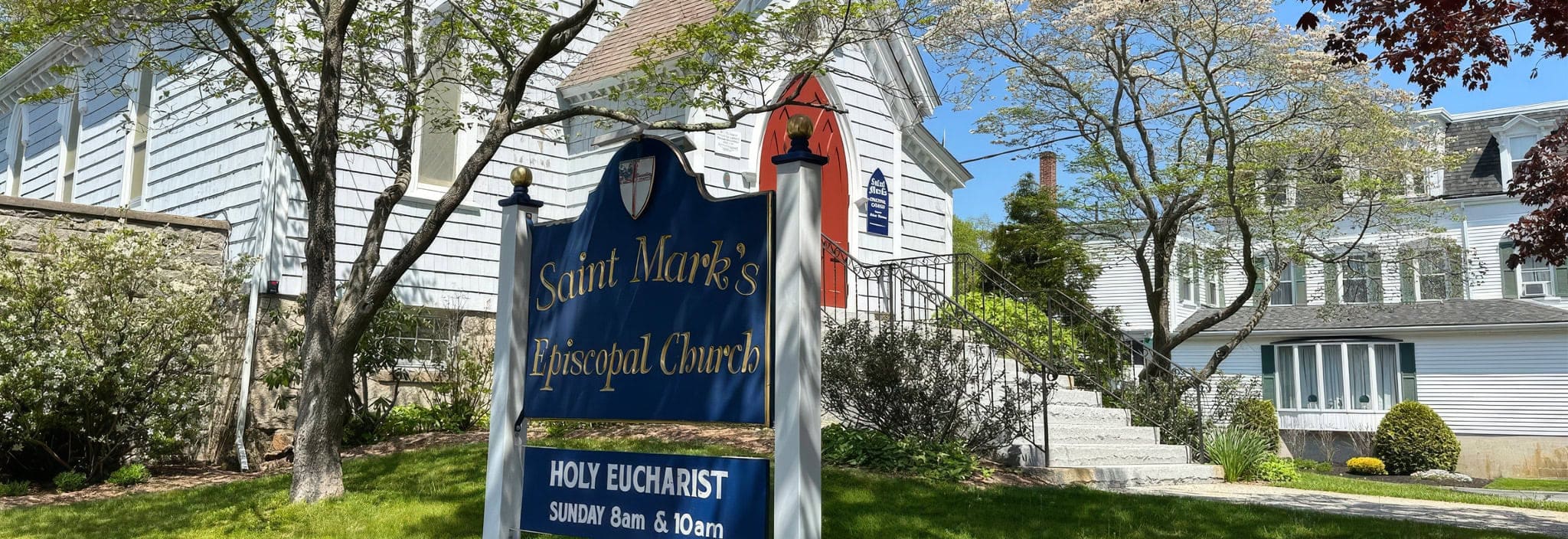
While traveling with my family over Spring Break, we made a stop in Mystic, Connecticut—home of the well-known Mystic Pizza. Like many popular destinations, parking was tight. After circling for a bit, I turned into the lot of Saint Mark’s Episcopal Church simply to turn around.
That’s when I noticed the sign.
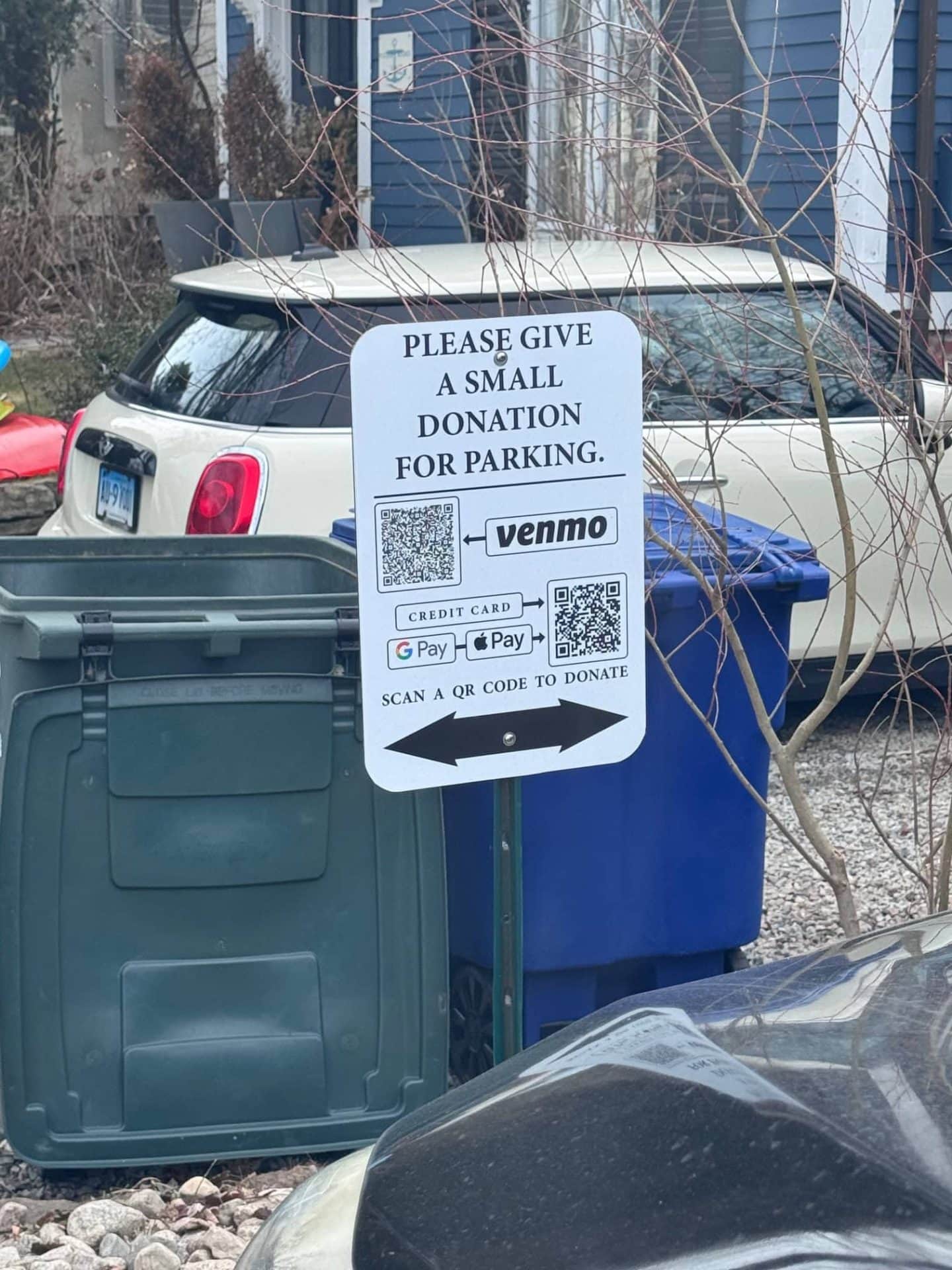
Instead of the typical “No Parking” or “Permit Only,” the church had taken a different approach. The sign invited visitors to park and “please give a small donation,” with options for Venmo, credit card, and mobile pay. It was simple, clear, and remarkably effective.
What struck me most wasn’t just the creativity—it was the posture. This wasn’t a church protecting its space; it was a church offering it. They saw a real need in their community—limited parking in a busy area—and responded with hospitality. In doing so, they also created an opportunity for generosity. It’s a small shift in mindset, but a powerful one.
Of course, ideas like this often raise an important question for churches: “Are we allowed to do that?” The answer largely comes down to how it’s structured. In this case, the invitation is for a voluntary donation, not a required fee. There’s no transactional exchange in the traditional sense—you’re not purchasing a parking spot; you’re responding to an invitation. That distinction is important. When churches begin charging fixed fees in a systematic, commercial way, it can raise concerns around unrelated business income and potential tax implications. But a donation-based model, especially one grounded in hospitality and community engagement, is generally viewed very differently.
Beyond the technical side, there’s a broader lesson here. Many churches are sitting on assets that are underutilized—property, location, visibility, even proximity to community activity. The question isn’t just how to maintain those assets, but how to activate them. What would it look like to see church property not simply as something to preserve, but as something to deploy for ministry and sustainability?
What I appreciated most about this example was how natural it felt. There was no pressure, no complexity—just an open invitation: “We’re glad you’re here. If this helps you, you’re welcome to give.”
And for the record—I did give what felt like a fair donation…plus a little extra commission for the fact that I knew this story was making its way into a newsletter.
That’s a posture worth paying attention to.
And as churches begin to think more creatively about these kinds of opportunities, the Florida United Methodist Foundation remains available to help. Whether it’s thinking through the stewardship, structure, or compliance considerations, we can help connect you with the right resources and guidance to implement ideas like this in a way that is both effective and aligned with your mission.